
Views: 0 Author: Site Editor Publish Time: 2025-11-10 Origin: Site


A chain hoist is one of the most reliable and widely used types of lifting equipment in the industrial world. It’s designed to make heavy lifting safer, easier, and more efficient by converting small manual or motorized input into large lifting power. Whether you’re in a factory, warehouse, construction site, or maintenance workshop, chain hoists play a critical role in safely handling loads that would otherwise require multiple workers or heavy machinery.
Understanding how a chain hoist works helps operators use it effectively, maintain safety standards, and ensure long equipment lifespan. This article explores the mechanical principles, main components, applications, advantages, and maintenance of chain hoists in detail.
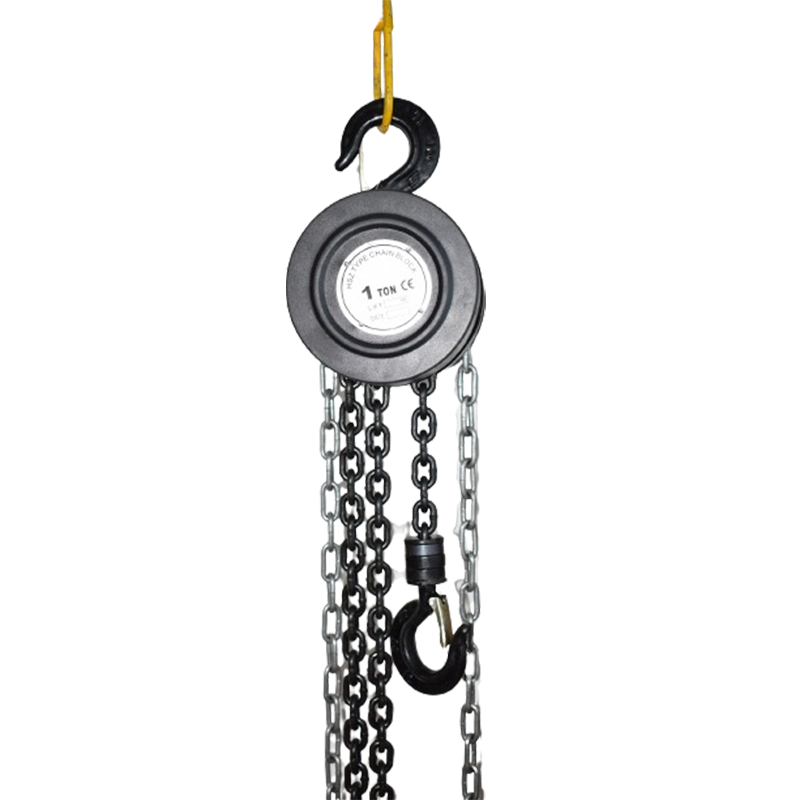
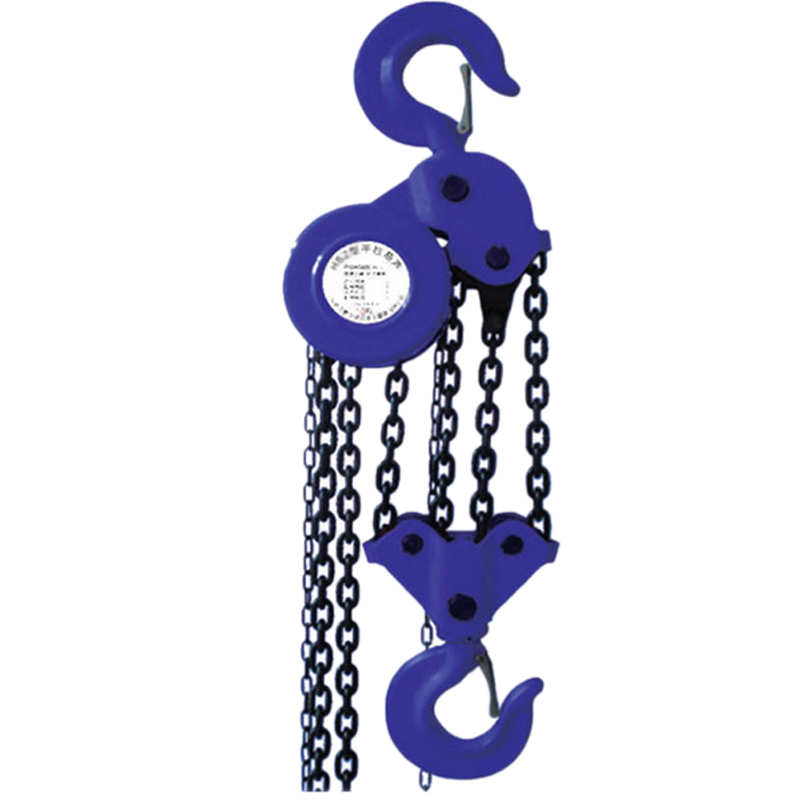
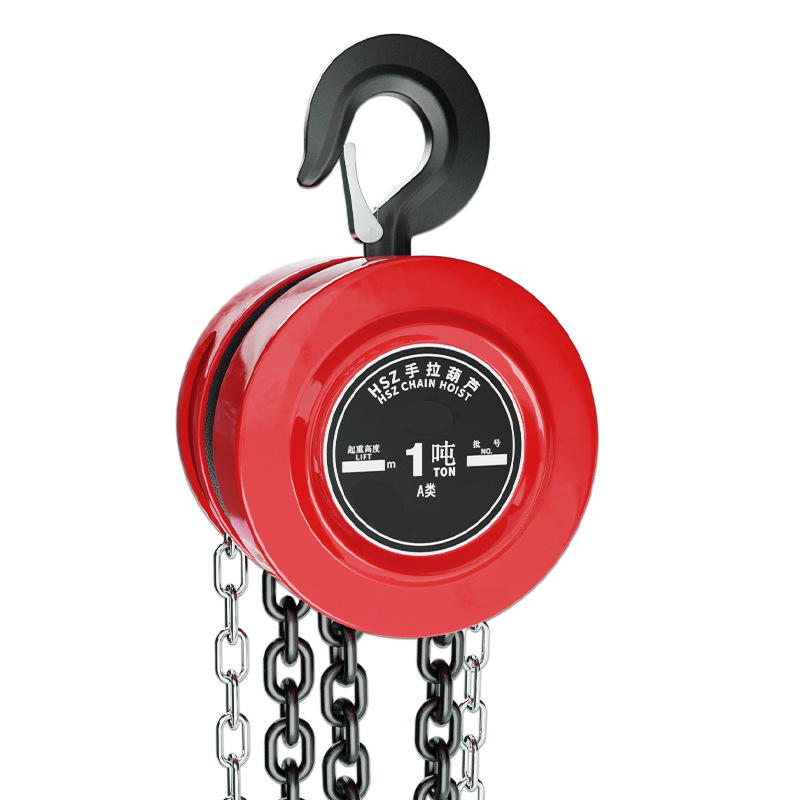
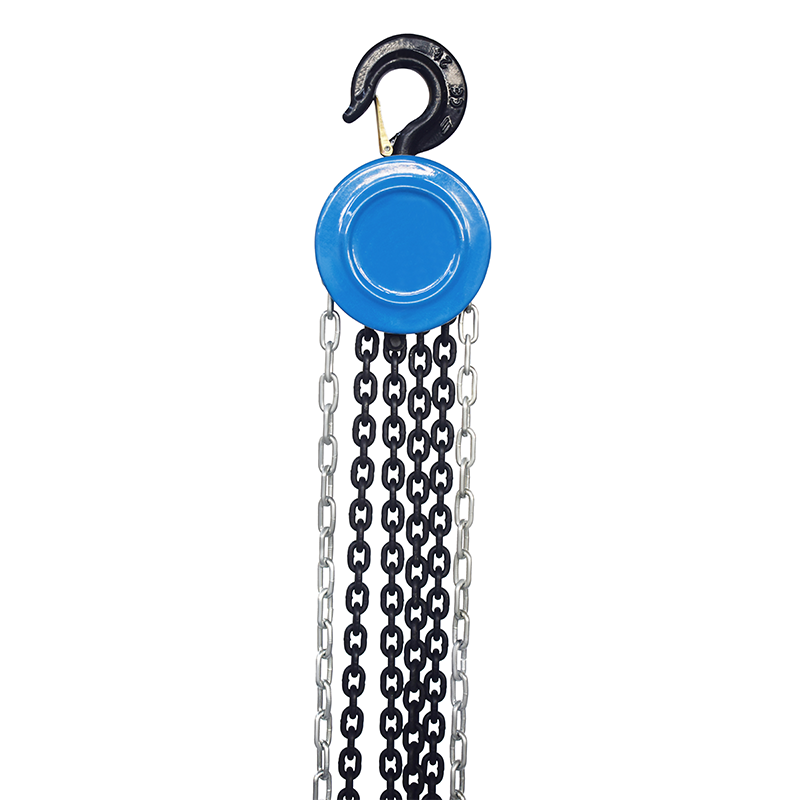
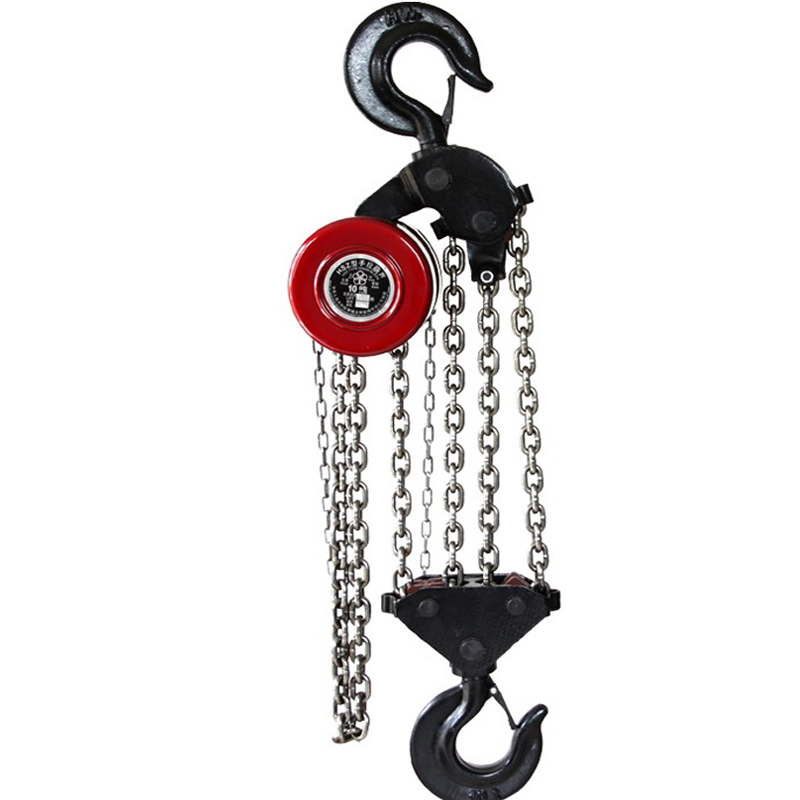
Chain hoists come in several configurations based on their power source and usage environment:
Operated by hand, it requires the user to pull the hand chain. It’s ideal for smaller loads, precise control, and areas where electricity isn’t available.
Powered by an electric motor, this type is used in production lines and warehouses where repetitive lifting is required. It offers consistent performance and higher lifting speeds.
Used in hazardous environments like oil rigs or chemical plants, these hoists are powered by compressed air, reducing the risk of sparks or explosions.
All types share the same core lifting principle — converting mechanical or electrical energy into lifting power through gear reduction and load chain tension.
The basic working principle of a chain hoist is simple yet powerful. It uses mechanical advantage — the concept of multiplying input force through gears and pulleys — to lift heavy objects with minimal effort.
The operator pulls the hand chain, or in an electric version, the motor begins to rotate the driving gear.
The motion is transferred to an internal gear system with different gear ratios.
The load gear rotates a sprocket that moves the load chain, lifting or lowering the attached load.
A ratchet or friction brake system automatically locks the load in place when lifting stops, preventing any accidental drop.
This process allows the chain hoist to lift several tons of weight using minimal manual effort or motor power.
A chain hoist’s efficiency and safety depend on its key mechanical components, each designed for strength, precision, and reliability.
The load chain carries the entire weight of the lifted object. It’s typically made from heat-treated alloy steel to resist fatigue and wear. Chains are calibrated to fit the sprockets precisely, ensuring smooth lifting.
In manual models, the hand chain is the operator’s input mechanism. It loops through the hand wheel and allows the user to control the lifting direction — up or down.
The load wheel guides the load chain and converts rotational motion into vertical movement. Precision machining ensures smooth engagement and long service life.
Gears provide mechanical advantage by reducing speed and increasing torque. For example, a 10:1 gear ratio means the user applies ten times less force to lift a given load.
The lower hook connects to the object being lifted. Made from forged steel with a safety latch, it prevents accidental unhooking.
A mechanical ratchet or disc brake locks the load instantly when the chain stops moving, securing the suspended weight.
The hoist body protects the gears and internal components from damage, dust, and moisture. It’s often made from heavy-duty cast steel or aluminum.
A chain hoist’s design is based on the law of conservation of energy. When force is applied over a longer distance (via the hand chain), the hoist multiplies that force over a shorter distance (lifting the load).
This principle is achieved through gear reduction — small gears driving larger ones — allowing humans to lift several tons with only moderate force.
The load is evenly distributed along the load chain links and transmitted through the gear train to the housing, minimizing strain on any single component.
Friction-based brakes use the resistance between discs to hold loads firmly in position. The braking force automatically increases with the weight of the load, enhancing safety.
Chain hoists are versatile lifting equipment used across multiple sectors. Their adaptability and precision make them ideal for both light-duty and heavy-duty applications.
Manufacturing lines for positioning heavy machinery or molds
Steel plants for handling beams and metal sheets
Mining and energy sectors for lifting components in confined spaces
Shipyards for engine installation and cargo handling
Auto repair shops for removing engines or transmissions
Construction sites for lifting building materials
Warehouses for loading and stacking pallets
Maintenance teams for installing HVAC or mechanical systems
Chain hoists multiply small input forces into powerful lifting actions, making them ideal for repetitive or heavy lifting tasks.
Manual chain hoists are lightweight and easy to carry, while electric versions can be mounted on overhead beams or trolleys.
The braking system allows for smooth and exact positioning of loads, which is crucial in delicate assembly operations.
High-quality hoists include overload protection, ensuring the equipment won’t operate beyond its rated capacity.
Compared to cranes or hydraulic lifts, chain hoists are more affordable, easier to install, and require less maintenance.
Inspect the load chain for rust, twist, or deformation.
Confirm the brake engages correctly.
Ensure hooks are not bent or cracked.
Verify the rated capacity label before lifting.
Do not exceed the rated load.
Keep the load centered under the hoist.
Never use the hoist to pull loads sideways.
Avoid standing under a suspended load.
Lower the load completely before removing it.
Store the hoist in a dry, clean environment.
Lubricate the chain and gears regularly.
Following these steps ensures operator safety and extends the equipment’s lifespan.
Lubricate the chain weekly with approved oil.
Clean gears and brakes to prevent slippage.
Check nuts, bolts, and hooks for tightness.
Replace worn components immediately.
| Problem | Possible Cause | Solution |
|---|---|---|
| Chain jamming | Twisted chain or dirt buildup | Clean and rethread chain |
| Brake slipping | Worn brake discs | Replace or adjust brake |
| Unusual noise | Lack of lubrication | Apply appropriate grease |
| Load not lifting | Overload or damaged gears | Reduce load, inspect gear system |
Knowing how a chain hoist works empowers operators to use it more effectively and safely. Proper understanding ensures not only smooth workflow but also prevents equipment failure and accidents. For any professional working with lifting equipment, mastering these fundamentals is essential for efficiency, safety, and productivity.
At Hebei Jiali Rigging Manufacturing Co., Ltd., we specialize in the research, design, and production of high-performance lifting equipment, including chain hoists, electric hoists, magnetic lifters, webbing slings, and related rigging accessories. Established in 1993, our company has grown into a globally recognized manufacturer with a 100,000㎡ production base and exports to over 100 countries and regions.
Certified under ISO 9001, CE, GS, and GOST, every product we deliver is built for safety, durability, and reliability. Backed by advanced R&D capabilities and modernized production centers, we provide one-stop material handling and lifting solutions that meet the highest international standards.
For dependable chain hoist systems and customized lifting solutions, Hebei Jiali Rigging Manufacturing Co., Ltd. is your trusted partner for efficiency, innovation, and lasting quality.
1. What is the maximum load a chain hoist can handle?
Depending on the model, chain hoists can lift from 0.5 tons to over 50 tons. Heavy-duty electric hoists can reach even higher capacities.
2. Can a chain hoist lift loads at an angle?
No, chain hoists are designed for vertical lifting only. Lifting at an angle can cause chain twist or structural damage.
3. How often should a chain hoist be inspected?
Perform a basic inspection before every use and a thorough inspection every 3–6 months, depending on usage frequency.
4. What’s the difference between a chain hoist and a wire rope hoist?
A chain hoist uses a steel link chain, while a wire rope hoist uses a wound cable. Chain hoists are better for compact areas and moderate loads, while wire rope hoists suit heavy-duty continuous lifting.
5. Can chain hoists be used outdoors?
Yes, but they should be stored properly after use. Outdoor hoists must have rust-resistant coatings and regular lubrication to prevent corrosion.


