
Views: 0 Author: Site Editor Publish Time: 2025-11-05 Origin: Site


In modern industries, lifting heavy materials safely and efficiently is a fundamental requirement. From automotive plants and construction sites to small workshops and warehouses, reliable lifting equipment is crucial. Among the most versatile and widely used solutions is the electric hoist — a motor-driven device that enables smooth, controlled, and precise vertical lifting operations.
An electric hoist has revolutionized how materials are handled, offering greater safety, consistency, and productivity compared to manual or chain-driven systems.
An electric hoist is a powered lifting device designed to move loads vertically by winding or unwinding a rope or chain around a drum or wheel. Unlike manual hoists, it utilizes an electric motor to lift heavy objects effortlessly.
The basic components include:
Electric motor – provides mechanical power to the lifting mechanism.
Lifting chain or wire rope – supports and moves the load.
Drum or gear system – converts motor rotation into lifting motion.
Hook and safety latch – secure the load safely during lifting.
Control system – allows operators to raise, lower, or stop loads precisely.
This combination makes the electric hoist a cornerstone of modern lifting equipment used across multiple industries.
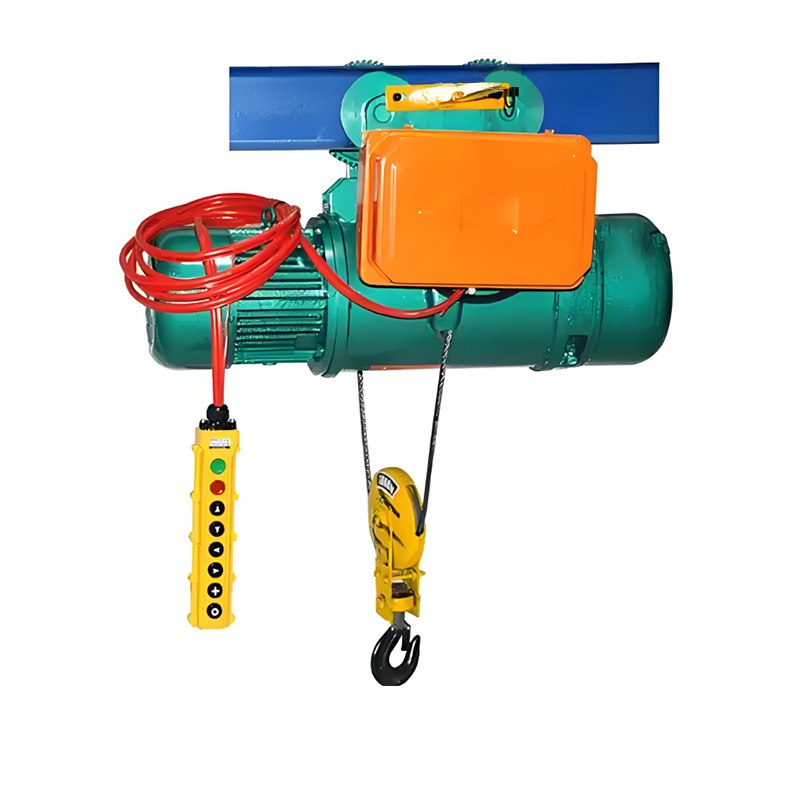
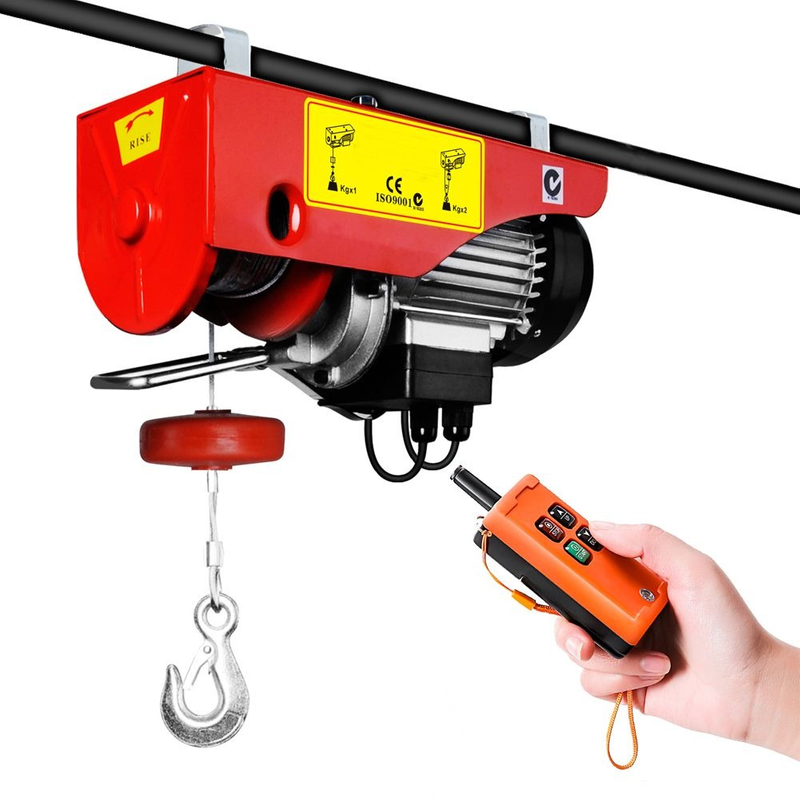
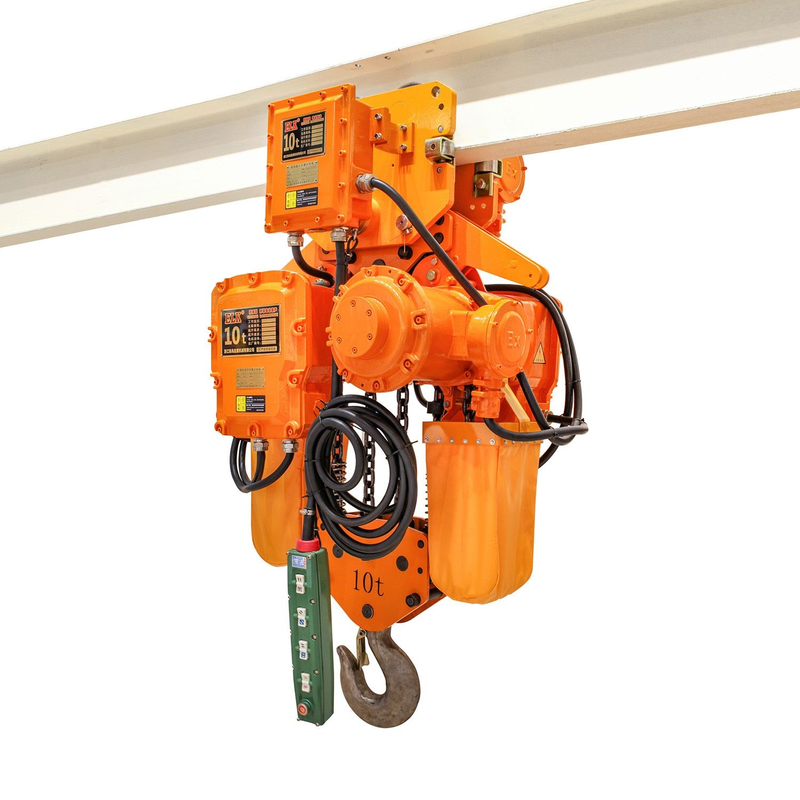
Different working environments require specific hoist designs. The most common types include:
This type uses a strong alloy chain to lift materials. It is compact, durable, and ideal for light to medium-duty applications. Chain hoists are widely used in workshops, assembly lines, and small factories.
Wire rope hoists are designed for heavier loads and frequent use. They feature higher lifting speeds, smoother motion, and are often found in large-scale industrial environments such as power plants or steel production facilities.
Used in hazardous environments such as chemical plants or oil refineries, these hoists are designed to prevent ignition from sparks or heat, ensuring operational safety.
Lightweight and easy to install, portable hoists provide mobility and flexibility for on-site operations where permanent setups are not practical.
Electric hoists integrate advanced engineering features to enhance performance and safety.
Automatic brake systems prevent accidental drops.
Overload protection ensures the device does not exceed its rated capacity.
Thermal protection in motors prevents overheating.
Variable speed control allows precise load handling.
When activated, the electric current powers the motor, which rotates the gear mechanism to lift the chain or wire rope. The design ensures stable lifting with minimal vibration and energy consumption.
The increasing popularity of electric hoists comes from the multiple advantages they offer:
Efficiency – Speeds up lifting processes, improving productivity.
Safety – Reduces manual handling risks and ensures load stability.
Precision – Provides fine control for accurate load positioning.
Versatility – Suitable for different loads, capacities, and mounting setups.
Cost-effectiveness – Minimizes labor costs and mechanical wear.
These qualities make electric hoists essential tools for both industrial and commercial lifting operations.
The versatility of electric hoists allows them to be integrated across multiple industries:
Manufacturing Plants: Used for assembling components or transferring materials along production lines.
Construction Sites: Lifts tools, steel frames, and heavy materials safely to elevated areas.
Warehouses and Logistics Centers: Assists in stacking, sorting, and organizing inventory.
Shipyards and Ports: Moves containers, machinery, and engines efficiently.
Automotive Industry: Facilitates engine installation and heavy part handling.
Across all these sectors, electric hoists are indispensable for modern lifting equipment systems.
Proper operation and maintenance are vital for long service life and safety performance.
Safety Guidelines:
Always inspect the chain or wire rope for wear and damage before use.
Never exceed the rated lifting capacity.
Ensure proper load balance to avoid swinging.
Operators should be trained and familiar with control systems.
Maintenance Practices:
Lubricate moving parts regularly.
Check the brake and clutch systems.
Replace worn-out components promptly.
Schedule periodic professional inspections.
These measures help ensure that the electric hoist continues operating safely and efficiently.
Selecting the correct electric hoist involves evaluating several key factors:
Load Capacity: Choose a hoist rated slightly higher than your maximum load.
Lifting Height: Ensure sufficient rope or chain length for the application.
Lifting Speed: Balance speed requirements with safety needs.
Power Source: Match voltage and frequency with your facility standards.
Mounting Type: Options include fixed, trolley-mounted, or overhead crane integration.
Work Environment: Consider dust, humidity, or explosive atmospheres when choosing hoist materials and protection levels.
A well-chosen electric hoist improves productivity and minimizes downtime.
As automation and Industry 4.0 evolve, electric hoists are becoming smarter and more energy-efficient.
Innovations include:
IoT connectivity for real-time monitoring and diagnostics.
Smart load sensors that prevent overloading.
Remote control systems enhancing operator safety.
Energy-efficient motors reducing power consumption.
These advancements make electric hoists not just lifting tools but intelligent parts of modern material handling systems.
Hebei Jiali Rigging Manufacturing Co., Ltd. specializes in producing reliable lifting equipment such as electric hoists, chain hoists, and magnetic lifters. With advanced manufacturing facilities and strict quality control, we deliver solutions that meet ISO 9001, CE, and GOST standards—helping industries worldwide achieve safer and more efficient lifting operations.
Q1: What is the difference between a chain hoist and a wire rope hoist?
A chain hoist uses a metal chain, ideal for lighter loads, while a wire rope hoist handles heavier loads with smoother motion.
Q2: Can an electric hoist be used outdoors?
Yes, but it should have proper weatherproof protection and maintenance to prevent corrosion and electrical hazards.
Q3: How often should an electric hoist be inspected?
Routine visual inspections should be done before each use, with professional maintenance every few months depending on frequency.
Q4: What safety features should I look for in an electric hoist?
Overload protection, automatic braking, thermal protection, and emergency stop functions are essential safety features.
Q5: How can I extend the lifespan of my electric hoist?
Regular cleaning, lubrication, load testing, and timely replacement of worn parts will ensure long-term performance and safety.


