
Views: 0 Author: Site Editor Publish Time: 2025-11-14 Origin: Site


In industries ranging from construction and manufacturing to warehousing and logistics, lifting equipment plays a crucial role in ensuring efficiency and productivity. Devices such as chain hoists, electric hoists, magnetic lifters, and webbing slings make it possible to lift, move, and position heavy loads with precision and control. However, with the benefits of mechanized lifting come significant safety responsibilities. Improper use, lack of maintenance, or negligence in inspection can lead to severe injuries, equipment damage, or even fatal accidents.
Understanding the importance of lifting equipment safety is not only a regulatory requirement but also a moral and operational necessity. This article explores why safety in lifting operations is essential, what risks are involved, and how proper management, maintenance, and training can help prevent workplace incidents.
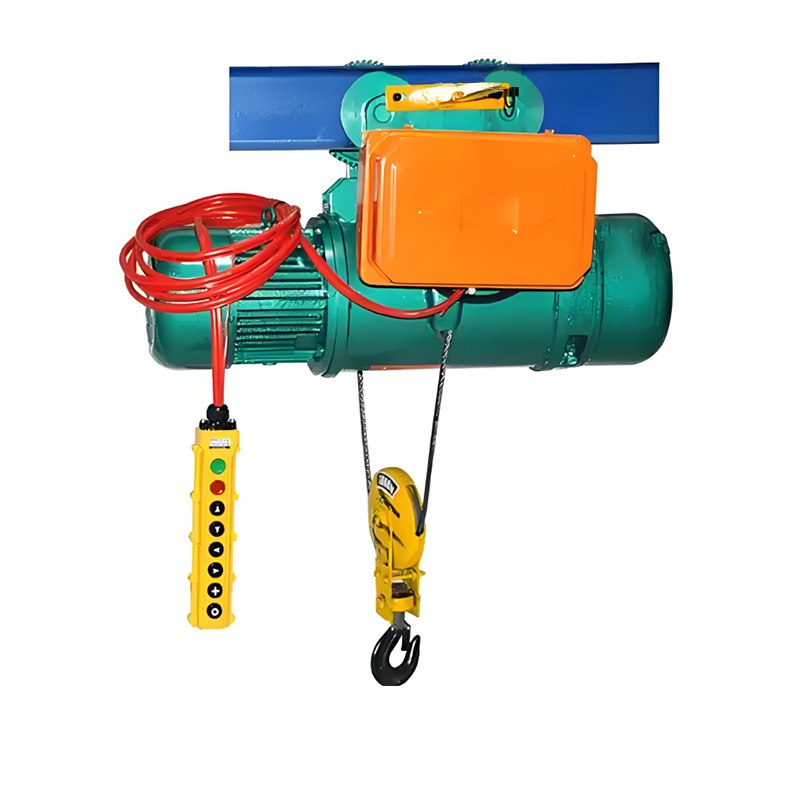
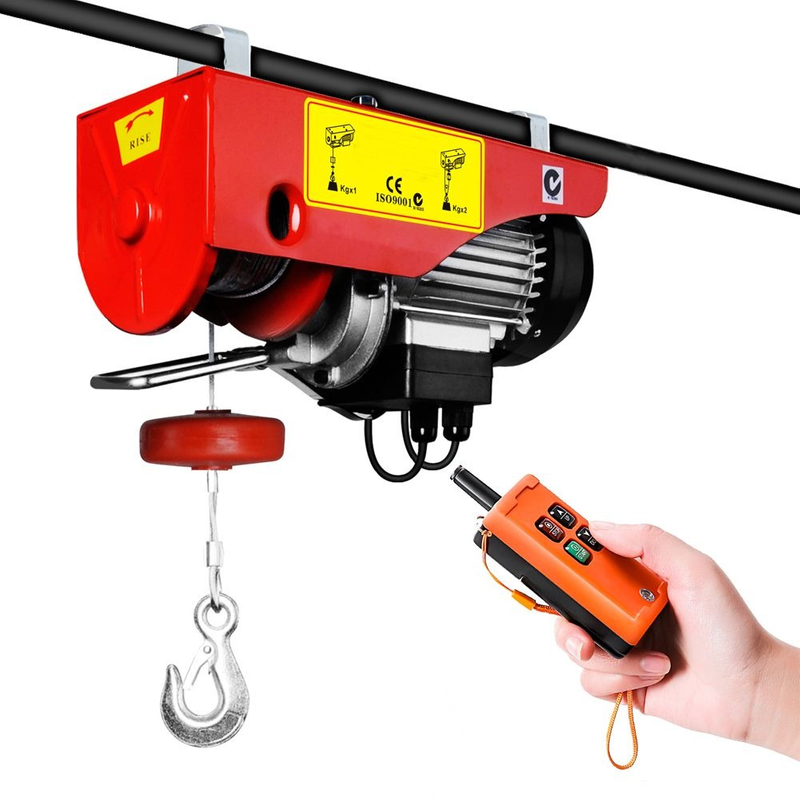
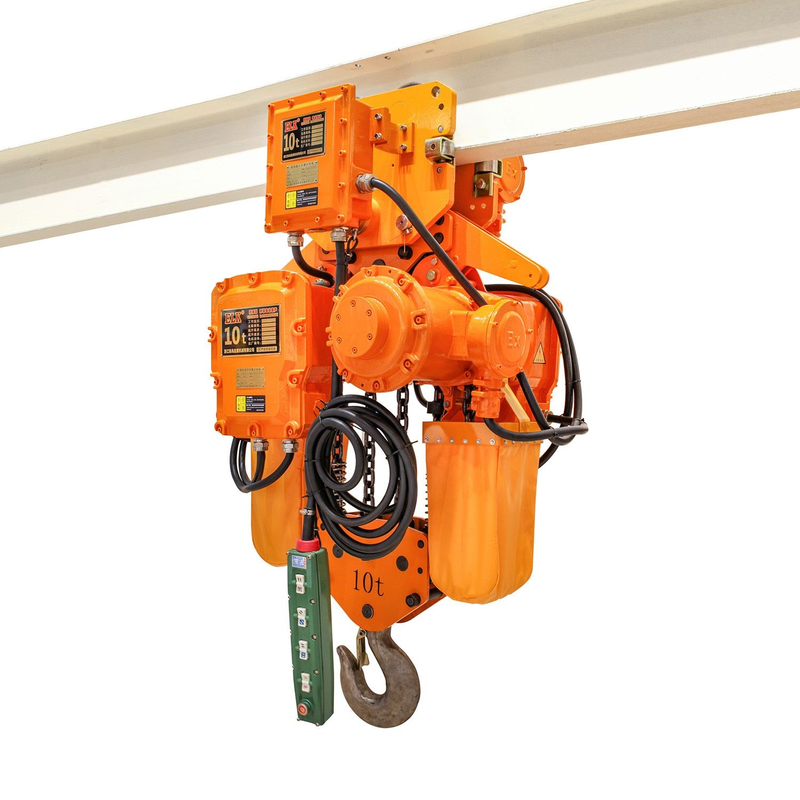
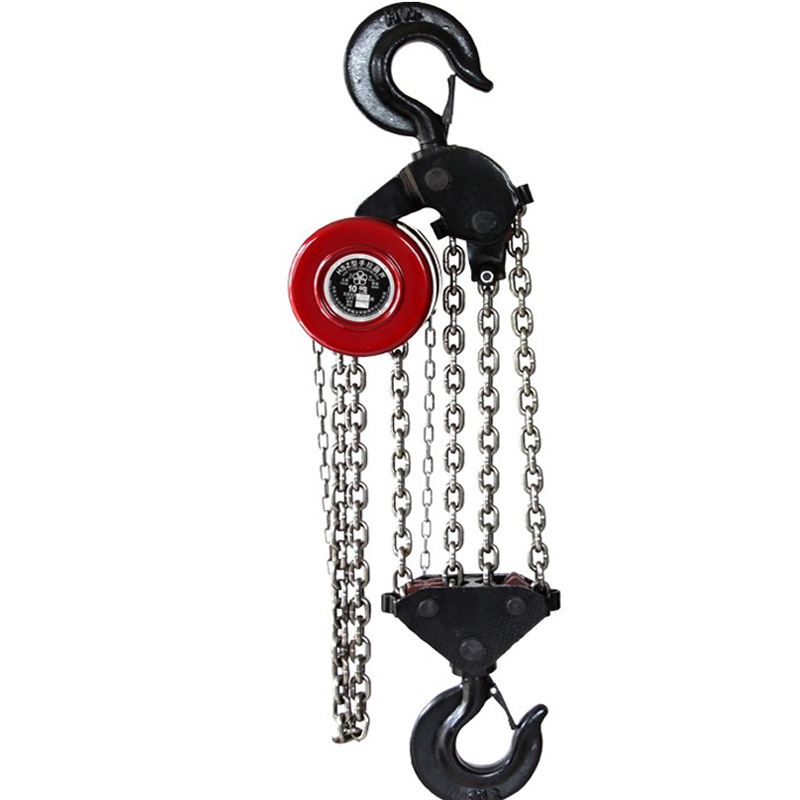
Lifting equipment encompasses a wide range of tools and machinery designed to move loads vertically or horizontally. Common examples include chain hoists, electric hoists, magnetic lifters, and webbing slings. These devices are fundamental in sectors where manual lifting is either inefficient or impossible.
Chain Hoists: Commonly used in workshops and factories for lifting heavy machinery parts or equipment. Their mechanical advantage allows controlled lifting with minimal effort.
Electric Hoists: Provide powered lifting capability for higher loads, increasing efficiency and reducing physical strain on workers.
Magnetic Lifters: Enable non-contact lifting of metallic materials, particularly useful in steel fabrication and machining industries.
Webbing Slings: Lightweight, flexible, and ideal for delicate loads where surface protection is critical.
These tools collectively form the foundation of material handling systems across industries. Their reliability and proper usage are key to maintaining workflow efficiency and ensuring workplace safety.
Safety in lifting operations goes beyond compliance—it directly impacts lives, assets, and organizational reputation. Here are the main reasons why lifting equipment safety is paramount:
Improper handling or faulty equipment can cause dropped loads, entrapment, and other serious incidents. A single equipment failure can result in catastrophic consequences, including severe injuries or fatalities. Implementing strict safety procedures minimizes these risks.
Lifting machinery represents a significant investment. Regular inspections and safe operation extend the lifespan of equipment such as electric hoists or magnetic lifters, preventing costly downtime and repairs.
Global regulations—such as OSHA (Occupational Safety and Health Administration) standards, ISO 9001 quality management requirements, and CE certifications—mandate safe lifting practices. Non-compliance can result in legal penalties, insurance complications, and reputational damage.
Safe working conditions contribute to better employee morale and operational efficiency. Well-maintained lifting tools like chain hoists and webbing slings ensure smooth operations without interruptions caused by accidents or breakdowns.
Investing in training, inspections, and maintenance may seem costly initially, but it significantly reduces long-term expenses associated with injuries, compensation claims, and equipment replacement.
Even with high-quality lifting equipment, potential hazards exist if safety principles are ignored. Common risks include:
Overloading beyond rated capacity
Improper rigging or attachment methods
Inadequate inspection or maintenance
Operator error or lack of training
Environmental factors, such as poor lighting, slippery floors, or strong winds in outdoor operations
Each of these risks can lead to severe incidents if not addressed proactively. Understanding these risks helps operators and supervisors implement appropriate safety measures.
To ensure safe lifting operations, a comprehensive safety management approach should be followed. This involves both preventive measures and active risk control.
Routine inspection helps identify worn-out parts, corrosion, or mechanical faults. Components like hooks, chains, and motors in electric hoists or chain hoists must be checked regularly. Maintenance logs should be documented to ensure accountability and traceability.
Operators must confirm the weight of the load before lifting and ensure it does not exceed the equipment’s rated capacity. For example, when using webbing slings, it’s essential to select the correct sling type, width, and load angle for the application.
Only qualified and trained personnel should handle lifting operations. Proper training ensures operators understand load limits, safety devices, and emergency response procedures.
Always use lifting devices that meet international safety standards such as ISO 9001, CE, GS, and GOST. Certified equipment ensures reliability and reduces the likelihood of equipment-related failures.
Improper rigging is one of the leading causes of lifting accidents. Using suitable shackles, hooks, and magnetic lifters helps ensure load stability during lifting and transport.
Operators should assess their surroundings before each lift. Obstacles, poor ground conditions, or unfavorable weather can affect load stability.
Conduct Pre-Lift Checks: Ensure all components, including slings and hooks, are in good condition.
Establish a Clear Communication System: Use standard hand signals or radio communication between team members.
Avoid Side Loading: Lifting equipment is designed for vertical loads—avoid horizontal or angular pulling.
Keep the Area Clear: No personnel should stand under a suspended load.
Monitor During Lifting: Always observe the movement to detect abnormal noises, vibrations, or swaying.
These best practices are simple but highly effective in preventing accidents and maintaining operational safety.
Modern lifting equipment incorporates smart technology to improve safety and efficiency. Features such as overload protection, anti-misoperation systems, emergency braking, and limit switches have become standard in advanced electric hoists and chain hoists.
Intelligent weighing systems, data monitoring, and ergonomic designs further enhance operational comfort and reduce fatigue. The integration of technology transforms lifting equipment from basic mechanical tools into intelligent, user-friendly solutions that ensure safer workplaces.
Selecting the right lifting equipment is a critical safety step. Consider the following factors:
Load Type and Weight: Determine whether the load requires magnetic lifters for metal sheets or webbing slings for delicate surfaces.
Frequency of Use: Heavy-duty environments may benefit from durable electric hoists, while occasional lifting can be handled with manual chain hoists.
Work Environment: Corrosive or outdoor conditions may require stainless steel or coated equipment.
Regulatory Compliance: Choose equipment certified under international standards to ensure safety and global compatibility.
By matching the right tool to the task, users can achieve both safety and performance efficiency.
Lifting safety is not achieved solely by using the right equipment—it requires a workplace culture where safety is prioritized. Management should establish clear safety policies, encourage reporting of potential hazards, and reward safe behaviors.
Regular safety audits, refresher training, and communication between operators and supervisors strengthen overall safety performance. The goal is to create an environment where everyone understands that safe lifting is everyone’s responsibility.
At Hebei Jiali Rigging Manufacturing Co., Ltd., we understand that lifting safety begins with quality equipment. Established in 1993, our company specializes in the research, design, and manufacturing of reliable lifting machinery and accessories, including chain hoists, electric hoists, magnetic lifters, and webbing slings.
With ISO 9001, CE, GS, and GOST certifications, our products meet the highest international standards. Our 100,000㎡ production facility and professional R&D team ensure each product delivers maximum safety, durability, and efficiency.
Trusted by clients in over 100 countries and regions, Hebei Jiali continues to deliver innovative, safe, and cost-effective lifting solutions for industries such as logistics, construction, and manufacturing—because when it comes to lifting, safety is strength.
1. What is the most important safety rule when using lifting equipment?
Always ensure that the load does not exceed the rated capacity of the lifting device, and never stand under a suspended load.
2. How often should lifting equipment be inspected?
Routine inspections should be carried out before each use, with comprehensive professional inspections scheduled monthly or quarterly, depending on usage intensity.
3. What causes most lifting equipment failures?
Failures often result from overloading, improper maintenance, wear and tear, or use of uncertified and low-quality components.
4. Why are certifications like ISO 9001 and CE important for lifting equipment?
These certifications guarantee that the product meets international safety and quality standards, ensuring reliability and compliance across markets.
5. How can I improve safety awareness in my workplace?
Regular training, clear communication, and management commitment are essential. Encourage a proactive culture where employees report potential risks and follow established safety procedures.


